Australia’s vast highways and rugged terrains demand unwavering focus from drivers. Yet, behind the scenic vistas lies a growing crisis: driver distraction. Recent data reveals that 18% of motorists admit to using mobile phones while driving in 2023—a habit contributing to a 9.9% annual rise in road fatalities. As regulators ramp up safety initiatives, fleet operators face a critical challenge: how to curb distracted driving while maintaining operational efficiency. Enter video telematics, a transformative technology merging AI-powered insights with real-time visibility to redefine road safety.
Distraction isn’t limited to smartphones. From adjusting in-cabin controls to live-streaming journeys on social media, drivers increasingly split their attention between the road and digital distractions. Studies show that even a two-second glance away from the windshield doubles collision risks. For commercial fleets, the stakes are higher: driver errors escalate maintenance costs, insurance premiums, and reputational damage. Traditional solutions like dashcams or electronic tachographs (digital driving recorders) capture data post-incident but lack the immediacy to prevent accidents.
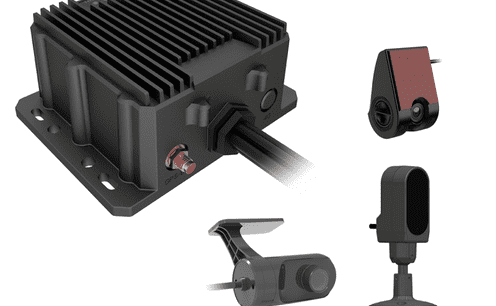
This gap is where modern video telematics shines. By integrating Real-time Vehicle Monitoring Systems with inward-facing cameras and AI analytics, fleets gain a 360-degree view of driver behavior. Imagine a system that detects a driver scrolling through TikTok, instantly triggering an audible alert while uploading footage to the cloud for review. Such proactive intervention transforms safety from reactive compliance to active risk management.

Modern video telematics platforms go beyond recording footage. They act as virtual co-pilots:
For fleet managers, this means fewer “blind spots.” Telematics platforms aggregate video, GPS, and vehicle diagnostics into a single dashboard, enabling swift decisions—whether rerouting a fatigued driver or addressing recurring distractions through targeted training.
Not all solutions are equal. When selecting Tachograph suppliers, prioritize providers offering:
Leading suppliers now embed Driver Fatigue Prevention Tachographs directly into telematics hardware, creating a unified safety net. For example, AI models trained on Australian driving patterns can distinguish between a driver adjusting the radio (low risk) and texting (high risk), reducing false alarms.

As Australian regulators expand the use of smart cameras to detect distractions, fleets must stay ahead. Video telematics isn’t just about avoiding fines—it’s about fostering a culture of accountability. Drivers equipped with real-time feedback improve habits; managers gain data to reward safe behavior and optimize routes.
The result? A 2023 pilot by a Sydney-based logistics firm saw a 34% drop in distraction-related incidents within six months of deploying AI telematics. Combined with lower fuel costs (from reduced harsh braking) and extended vehicle lifespans, the ROI extends far beyond safety.
In the battle against driver distraction, video telematics is more than a tool—it’s a paradigm shift. By marrying AI’s predictive power with human-centric insights, fleets can turn the tide on rising accident rates. For forward-thinking operators, investing in Real-time Vehicle Monitoring Systems and partnering with trusted Tachograph suppliers isn’t optional; it’s the cornerstone of sustainable growth.