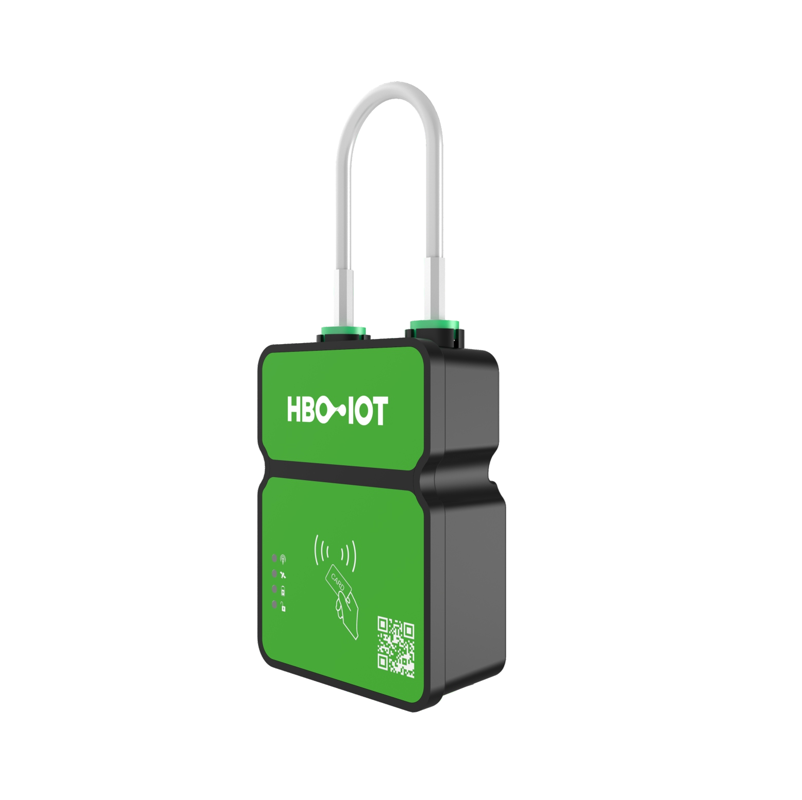
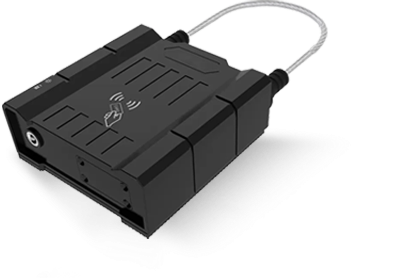
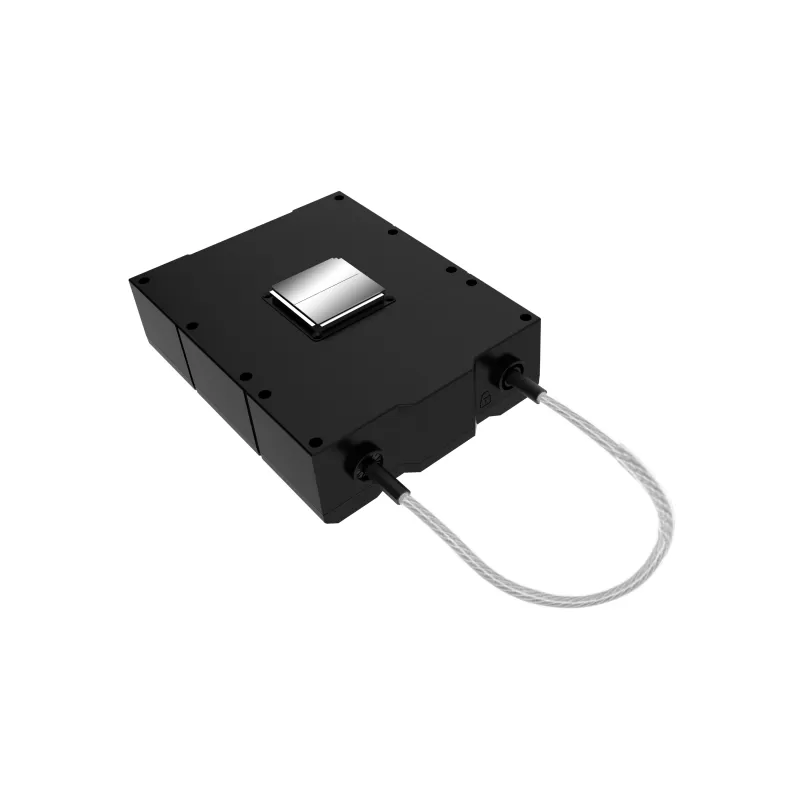
GPS ELOCK (smart electronic customs lock) has emerged not merely as a tracking accessory, but as a foundational pillar of modern customs infrastructure.
When evaluating GPS E-Lock suppliers, businesses should not only consider the initial device cost but also evaluate the overall value, including security performance, reliability, scalability, and long-term operational expenses.
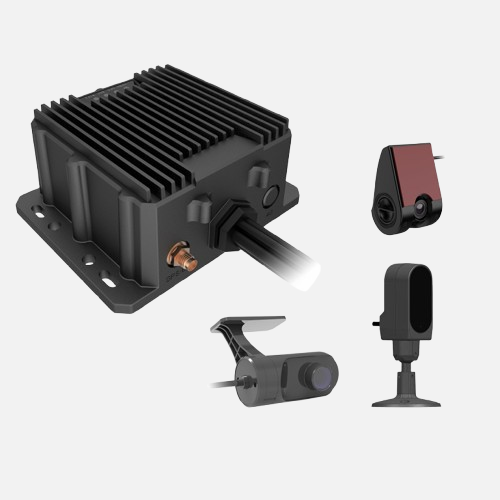
Choosing the right fleet dashcam requires businesses to evaluate more than camera specifications. A complete fleet video solution should combine reliable hardware, AI safety features, GPS tracking, cloud management, and industry-specific capabilities.
When selecting a GPS E-Lock, one important decision is choosing the right power solution. Solar GPS E-Locks and battery-powered GPS locks are two common options available on the market. While both solutions provide reliable tracking and security functions, they are designed for different application scenarios.
In this guide, we'll explain how GPS e-locks work, what features to look for, and which manufacturers are worth considering for container security projects.
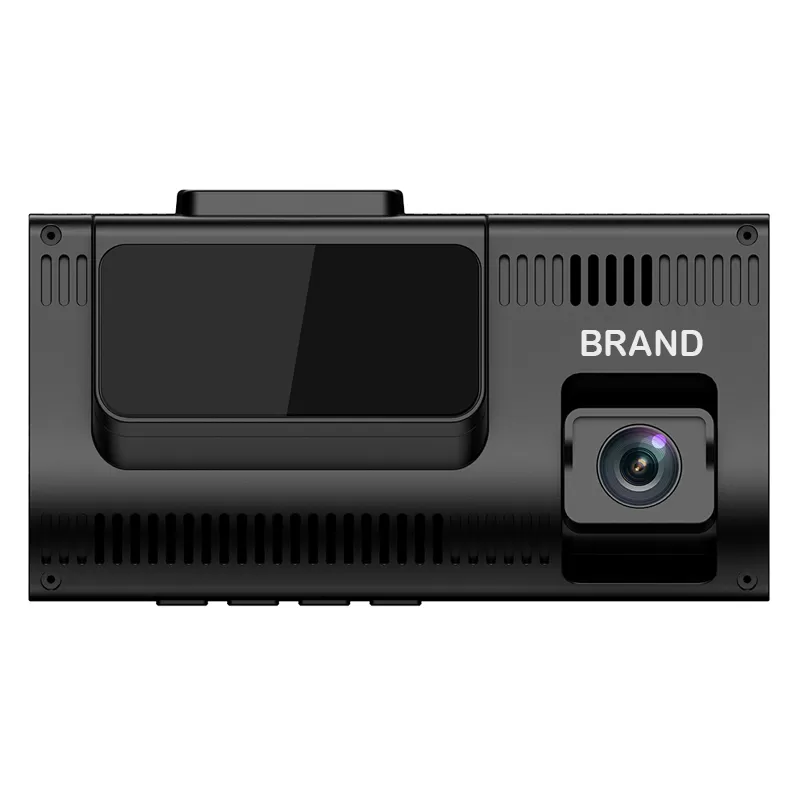
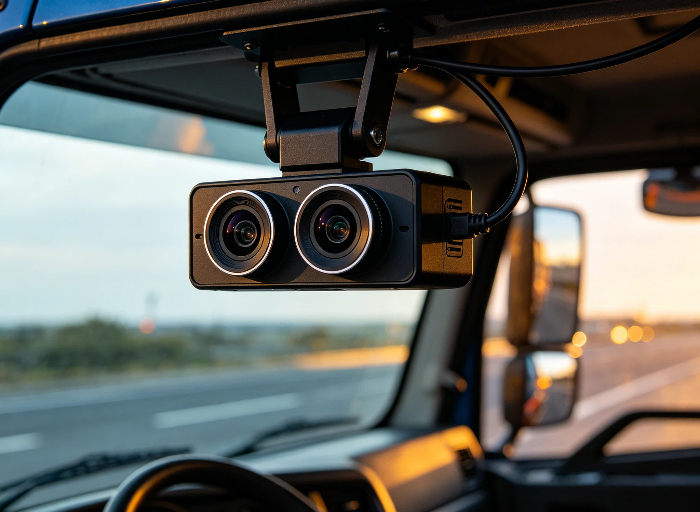
Should you choose a single-facing dashcam or a dual-facing dashcam?
The answer depends on your fleet's operational needs, safety objectives, compliance requirements, and budget. While both types of dashcams provide valuable video evidence, they serve different purposes and offer different levels of protection.